







IRL Creators: Meetups, pop-ups and live events as the next brand stage

For years, the creator-brand relationship has largely played out on screens. A creator recommends a product, shares a sponsored Reel, attends a launch or features a brand in their everyday content. The audience watches, reacts, comments and moves on. But as digital platforms become increasingly crowded with branded content, marketers are beginning to explore a different way of building connections: bringing creators and their communities together in the real world.
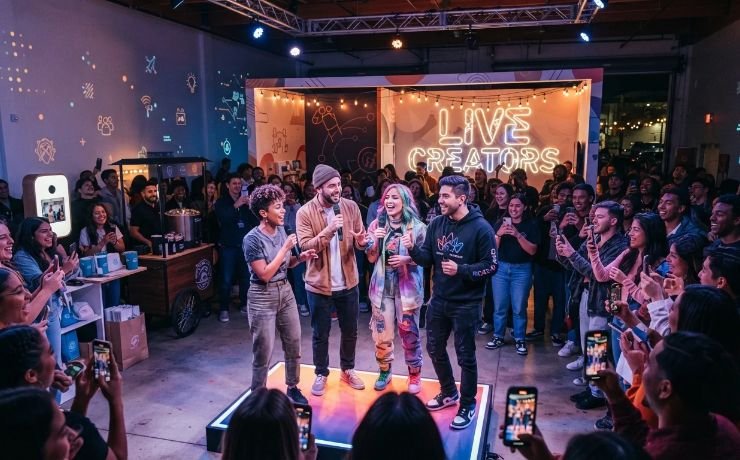
From intimate fan meetups and creator-hosted dinners to experiential pop-ups, workshops, festivals and live performances, influencer marketing is beginning to occupy physical spaces. Creators are no longer being invited merely to attend brand events or create content around them. They are increasingly becoming the reason people show up in the first place.
This shift is significant for brands. An influencer’s digital following may provide reach, but an in-person experience offers something different: the opportunity to turn passive audiences into active participants. It allows consumers to experience a product, interact with a creator, meet like-minded people and form memories that extend beyond a social media interaction.
As the creator economy matures, IRL (in real life) experiences are emerging as another dimension of influencer marketing. The opportunity is not to replace digital campaigns, but to create a stronger relationship between online influence and offline engagement.
Why Creators Are Moving Beyond the Screen
The growing interest in creator-led experiences comes at a time when digital content is competing for increasingly limited attention. Consumers encounter sponsored posts, product integrations, short-form videos and recommendations throughout the day. Even effective campaigns can struggle to remain memorable once audiences scroll past them.
For creators, this creates a reason to explore more direct relationships with their communities. Social media provides distribution, but it also places creators within platforms whose algorithms, monetisation policies and reach can change. Building an audience that is willing to attend an event, participate in a workshop or purchase a ticket creates a relationship that is not entirely dependent on digital visibility.
Offline experiences also allow creators to develop businesses beyond conventional brand partnerships. Ticketed events, merchandise, workshops, live shows and community gatherings can create additional revenue streams while strengthening their personal brands.
India is seeing this development across different creator categories. From lifestyle influencers hosting community gatherings to entertainment creators building large-format festivals, the formats are becoming increasingly diverse. A November 2026 report by Mint highlighted how creators are taking digital communities offline through festivals, workshops and themed gatherings, while also using these experiences to diversify their earnings.
The development reflects a larger shift in the creator economy. Creators are increasingly looking beyond audience size towards the strength of their communities and the opportunities those communities can create outside social platforms.
From Influencer Appearances to Creator-Led Experiences
Traditional brand events have often used influencers as distribution partners. A creator is invited to a product launch, attends an event, shares photographs or videos and extends the campaign’s visibility through their social channels.
While this model continues to have value, the emerging IRL approach gives creators a more central role in shaping the experience itself. Instead of simply appearing at an event, they may host it, curate its activities, interact with attendees or develop a format around their own content identity.
Consider the difference between inviting a food creator to a restaurant launch and allowing that creator to curate a tasting experience with their audience. In the first instance, the creator helps publicise the event. In the second, their expertise and personality become part of the experience.
This distinction changes the relationship between the brand, creator and consumer. The brand is no longer simply buying a post or an appearance. It is participating in an experience that has been shaped around an existing audience interest.
It also changes the creative possibilities. A beauty creator can host a skincare workshop, a fitness influencer can organise a community run, a travel creator can curate a local exploration, and a gaming creator can bring followers together for a live competition. The brand becomes part of an activity that audiences already have a reason to engage with.
Why Brands Are Finding Value in Physical Experiences
For brands, the appeal of IRL creator experiences lies in their ability to offer a more layered form of engagement. A digital campaign can communicate a product’s features, but a physical experience allows consumers to interact with it directly.
This is particularly relevant for categories where demonstration, trial or personal interaction can influence purchase decisions. Beauty brands can offer product consultations and makeovers, food companies can organise tasting sessions, technology brands can create hands-on demonstrations, and fitness businesses can build experiences around movement and community participation.
The creator adds another layer of relevance. Consumers who already follow a creator may be more inclined to attend an event because the invitation comes from someone whose content they trust or enjoy. The creator’s presence gives the experience a familiar identity, while the brand provides the resources and environment to bring it to life.
There is also an opportunity to generate content beyond the event itself. Attendees can share their experiences, creators can document interactions and brands can repurpose event footage across their digital channels, subject to appropriate permissions. A single physical activation can therefore produce multiple content opportunities before, during and after the event.
However, the real value should not be measured only through the volume of photographs, videos or social media mentions generated. The more important question is whether the experience changes how consumers perceive, understand or interact with the brand.
The Many Formats of Creator-Led IRL Marketing
IRL creator marketing is not limited to large-scale festivals or expensive brand activations. Its flexibility is one of its biggest advantages. The format can be adapted to the creator’s audience, the brand’s objectives and the level of participation required.
1. Community meetups: These are among the simplest ways to bring digital communities together. A creator invites followers to an informal gathering at a café, retail space or dedicated venue. The focus is on interaction rather than elaborate production. For brands, these gatherings can offer opportunities for sampling, product discovery and community engagement.
2. Pop-up experiences: Creator-hosted pop-ups allow brands to turn products into physical experiences. A fashion creator might curate a styling space, while a beauty influencer could host a personalised product discovery session. These formats can also support retail footfall, limited-edition launches and direct purchases.
3. Workshops and masterclasses: Educational creators can bring their expertise into physical spaces through cooking sessions, fitness classes, photography workshops, beauty demonstrations or professional development events. Brands can participate as enablers of the experience rather than relying entirely on conventional product placement.
4. Live entertainment and festivals: Creators with strong entertainment-led communities can develop larger events involving performances, storytelling, gaming, screenings and interactive activities. These experiences can evolve into recurring properties with independent identities and multiple commercial partners.
5. Creator-hosted brand gatherings: Smaller, curated experiences such as dinners, listening sessions, product previews and invite-only community events offer brands a more focused environment. They can be particularly useful for premium categories where personal interaction and exclusivity are important.
The choice of format should depend on the audience rather than the desire to create a visually impressive event. A 30-person workshop with meaningful participation may be more valuable than a large gathering where attendees have little interaction with the product or creator.
India’s Creator Economy Is Finding Its Offline Expression
India offers considerable room for this trend to develop. The country’s creator ecosystem spans languages, interests, regions and consumer communities. As audiences become more specialised, opportunities are emerging for creators to organise experiences around interests that may not always find representation in mainstream entertainment or conventional brand events.
One example is HorrorCon, the horror and pop-culture festival created by Divay Agarwal, founder of the YouTube channel Khooni Monday, through his media company The Mad Virus. What began as a one-day event in 2024 developed into a larger two-day festival, bringing together horror storytelling, cosplay, gaming and film screenings. Its 2026 edition, held in New Delhi, reportedly attracted more than 25,000 attendees.
The development demonstrates how a creator-led community can become the foundation for a larger live entertainment property. Rather than depending entirely on sponsored appearances, the event combines audience participation, ticket sales, brand partnerships, merchandise and other commercial opportunities.
Smaller creator communities are also experimenting with offline gatherings. Lifestyle influencers are exploring festive meetups, themed parties and curated social experiences, while creators in food, fitness, travel and entertainment are finding formats that allow audiences to participate in their interests beyond the screen.
The broader live events market provides a favourable environment for this expansion. According to the FICCI-EY report on India’s live events economy, the organised segment grew approximately 44% in 2025 to ₹14,500 crore, compared with ₹10,100 crore in 2024, and is projected to reach ₹19,600 crore by 2028. While creator-led experiences represent only one part of this market, the growth indicates increasing commercial interest in live entertainment and audience participation.
The Role of Micro and Regional Creators
One of the most interesting opportunities in IRL marketing may lie beyond celebrity influencers and creators with millions of followers. Micro and regional creators often have communities built around shared interests, locations and cultural identities. Their audiences may be smaller, but the relationship can be more closely connected to everyday behaviour.
For brands looking to reach specific consumer groups, these creators can help make events more relevant. A regional food influencer can bring together a local food community, a fitness creator can organise a neighbourhood running group, and a language-specific entertainment creator can curate an event around regional culture.
Such experiences can also help brands build a presence in markets beyond major metropolitan centres. Instead of replicating one large activation across several cities, brands can work with local creators to develop experiences that reflect the interests and habits of each community.
This approach requires a different understanding of influence. Follower count becomes only one consideration. The creator’s local relevance, audience trust, ability to mobilise people and suitability for the event become equally important.
Turning One Event into an Extended Content Opportunity
The strongest IRL campaigns do not end when the venue closes. Their impact can continue through the content generated around the experience.
Before the event, creators can introduce the concept, announce registrations and build anticipation. During the event, they can share live updates, interactions and behind-the-scenes moments. Afterward, recap videos, attendee testimonials, product demonstrations and user-generated content can extend the experience to audiences who could not attend.
This creates a connection between physical participation and digital distribution. The event becomes the source of content, while social platforms help the experience travel beyond the people present at the venue.
Brands can also use the content to support other marketing activities. With appropriate usage rights, creator-led videos may be adapted for paid social campaigns, product pages, retail communication or future event promotions. Attendee content can provide additional perspectives that make the brand experience feel more participatory.
However, content amplification needs to be considered during planning rather than treated as an afterthought. Brands must establish creator deliverables, usage rights, disclosure requirements and permissions for attendee-generated material before the event begins.
Measuring More Than Attendance and Engagement
One of the biggest challenges with experiential marketing is measurement. A successful event may attract strong attendance and generate substantial social media activity, but these numbers do not necessarily establish its contribution to business objectives.
Brands need to define what success looks like before selecting the format. For a product launch, this could involve product trials, qualified leads, registrations or purchase intent. For a retail activation, footfall, conversion and sales uplift may be more relevant. For a community event, repeat participation, audience sentiment and the growth of an identifiable community could be important indicators.
Digital performance also needs to be evaluated beyond impressions. Brands can track content reach, video views, engagement quality, event-related mentions, referral traffic and audience responses. Where possible, they can connect these signals with website visits, enquiries, coupon redemptions or purchases.
There is also a longer-term dimension. Did attendees become repeat customers? Did the creator’s community develop a stronger association with the brand? Did the experience generate meaningful conversations after the event? These questions help distinguish a one-time activation from an investment in audience relationships.
For marketers, the challenge is to build measurement frameworks that account for both immediate outcomes and the longer-term value of experiences.
The Risks of Taking Creator Marketing Offline
Despite its potential, IRL creator marketing comes with operational and reputational challenges. Events require venue planning, permissions, security, logistics, production, staffing and contingency arrangements. Costs can rise quickly, particularly when the experience involves celebrity creators, large audiences or complex installations.
Attendance is another uncertainty. A creator may have a large online following without having an audience that is willing or able to attend an event. Location, ticket pricing, timing and the relevance of the format can all influence participation.
Brands must also consider creator-brand fit. An event can attract attention and still feel commercially disconnected if the creator’s identity, audience expectations and the brand’s role do not align. An overly promotional experience may undermine the authenticity that made the creator attractive in the first place.
Safety and crowd management are equally important, particularly when public figures or creators with large followings are involved. Organisers need clear systems for registrations, capacity management, crowd control and emergency response.
Finally, there is the risk of treating every gathering as a social media spectacle. If attendees spend more time creating content than participating in the experience, the activation may lose its original purpose. The physical experience must deliver value even for someone who never posts about it.
What the Next Phase Could Look Like
As creator-led experiences develop, brands may begin moving beyond one-off activations towards recurring community properties. Instead of organising an isolated meetup for a campaign, a brand could support a series of creator-led workshops, local gatherings or interest-based events across different cities.
Creators, meanwhile, may increasingly develop their own event identities. A food creator could build a recurring culinary festival, a fitness influencer could create a city-wide community programme, and an entertainment channel could develop a ticketed live format. Brands would then have the opportunity to participate in established communities rather than build an audience from scratch for every activation.
Technology can support this evolution through registration platforms, event communities, ticketing, audience analytics and personalised communication. Artificial intelligence may also help organisers understand audience preferences and improve event planning, although the quality of the experience will continue to depend on creative judgement and execution.
There is also room for stronger collaborations between influencer agencies, event management companies, production houses and experiential marketing specialists. Each brings a different capability, and the ability to combine creator understanding with operational expertise will become increasingly important.
When Influence Becomes Participation
The move towards IRL creator experiences reflects an important change in the way brands think about influence. For a long time, success was largely associated with how many people a creator could reach and how effectively a campaign could turn that reach into engagement. The next opportunity may lie in how effectively creators can bring those audiences together.
For brands, meetups, pop-ups and live events offer a way to create experiences that audiences can participate in rather than simply watch. For creators, they provide opportunities to strengthen communities, develop independent properties and build revenue beyond traditional partnerships.
But the shift should not be mistaken for a return to conventional event marketing with influencers added to the guest list. Its value lies in allowing creators and their communities to shape the experience itself.
In an environment where digital visibility is increasingly easy to buy but genuine attention is harder to earn, a meaningful real-world interaction can carry a different kind of value. The most effective brand experiences will not simply give people something to photograph and post. They will give them a reason to show up, participate and remember the brand long after the event is over.
