














Wedding Season Playbook: How jewellery, apparel and travel brands plan the winter rush

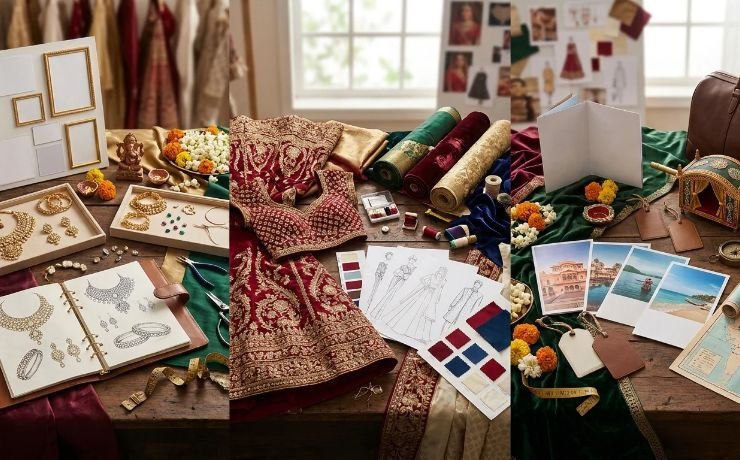
For Indian brands, winter is not simply the last quarter of the calendar year. It is a compressed commercial season in which weddings, festivals, family travel, gifting and discretionary spending converge. For jewellery retailers, apparel labels and travel companies, the opportunity is significant, but so is the competition. Consumers are making purchases that carry emotional weight, often across multiple categories, while brands compete for attention in an increasingly crowded media environment.
The wedding season has always been a major driver of consumption in India. What is changing is the way brands prepare for it. Marketing plans are increasingly shaped by regional wedding calendars, shifts in consumer behaviour, digital discovery, creator-led recommendations and the need to connect advertising with actual purchase intent. The challenge is no longer just to be visible when a wedding takes place. It is to influence decisions well before the invitation arrives, remain relevant throughout the celebrations and convert that attention into measurable business outcomes.
For jewellery, the central question is how to balance tradition with evolving aspirations. For apparel, it is how to occupy a place in an expanding wardrobe of wedding looks. For travel brands, it is how to turn a family obligation or celebration into an experience worth planning and paying for. Each category enters the season with a different commercial proposition, but all three depend on understanding the consumer journey beyond a single purchase.
A season built around multiple buying moments
The wedding economy is often viewed through the lens of the bride and groom. That perspective, however, captures only part of the market. A wedding involves a much wider network of consumers, from immediate family members and relatives to friends, colleagues and guests travelling from different cities. Each group has distinct spending priorities, timelines and expectations.
The bride and groom may be planning purchases months in advance, comparing designers, jewellery collections and destination options. Parents may be balancing ceremonial requirements with budgets. Guests may begin shopping only after receiving an invitation, while younger attendees may be looking for contemporary outfits that can be worn again. Travel decisions introduce another layer, involving transport, accommodation, group bookings and, in some cases, extensions for leisure.
This creates several buying windows within the same wedding cycle. Jewellery purchases can begin with engagement ceremonies and family gifting. Apparel demand can build around pre-wedding functions, the wedding itself and receptions. Travel decisions may start with the venue announcement and continue until shortly before departure.
For marketers, this makes the season less like a single campaign burst and more like a sequence of connected opportunities. A brand that concentrates its entire budget on the wedding date risks missing the research and consideration stages, when preferences are being formed and shortlists are taking shape.
The implication is straightforward: campaign planning must begin with the consumer’s calendar, not merely the brand’s promotional calendar.
Jewellery: selling meaning alongside material value
Jewellery occupies a distinctive position in wedding marketing because it brings together financial value, cultural significance, family expectations and personal identity. Gold and diamond purchases may be associated with investment, inheritance and tradition, while contemporary designs increasingly serve as expressions of individual taste. Wedding jewellery therefore has to speak to several motivations at once.
For established jewellers, the season remains an opportunity to reinforce trust, craftsmanship, purity and heritage. These attributes matter in a category where consumers may be making high-value purchases and where family influence can be considerable. Yet trust alone does not automatically translate into preference, particularly among younger buyers who are accustomed to discovering brands through digital platforms and comparing products before visiting a store.
Marketing strategies are consequently expanding beyond the familiar showcase of bridal sets and elaborate wedding advertisements. Brands have opportunities to build stories around the different roles jewellery plays across a celebration: the piece selected for an engagement, the gift exchanged between families, the everyday design purchased for a new phase of life, or the heirloom that connects generations.
Such storytelling allows a brand to address consumers at different price points and stages of life without reducing the wedding proposition to the most expensive bridal purchase. It also creates room for collections that reflect regional preferences, lighter designs and changing expectations around repeat wear.
Media planning is equally important. Search advertising can capture consumers actively looking for bridal jewellery, wedding collections or nearby stores. Social platforms can introduce designs and styling ideas earlier in the journey, while video can demonstrate craftsmanship, versatility and the details that are difficult to communicate through a static product image. Retail media and marketplace placements can help brands reach consumers closer to a purchase decision, provided the product information and availability support the promise made in advertising.
However, a digital impression is only one part of the journey. Jewellery remains a category in which physical inspection, family consultation and store experience can carry considerable weight. Brands need to connect online discovery with showroom visits, appointment bookings, local inventory and clear information about pricing, making charges, certification and exchange policies.
For jewellery marketers, the strongest seasonal strategy is not necessarily the one with the largest bridal campaign. It is the one that builds confidence across the many decisions that lead to a purchase.
Apparel: winning the wedding wardrobe, not just the wedding day
Apparel brands face a different challenge. Wedding consumption has expanded beyond a single ceremonial outfit into a series of occasions, each with its own dress code, visual language and social expectations. Engagements, cocktail evenings, mehendi functions, sangeet performances, receptions and destination ceremonies create demand for different silhouettes, fabrics, accessories and levels of formality.
This fragmentation has widened the addressable market. The bride and groom remain important, but the opportunity extends to siblings, parents, friends and guests who want to look appropriate without appearing repetitive across multiple events. For brands, the objective is to become part of the consumer’s complete wedding wardrobe rather than compete for one high-value transaction.
That shift changes how collections should be marketed. A conventional campaign built around a single hero outfit may establish aspiration, but it does not always help consumers navigate the practical questions behind a purchase. What works for an outdoor winter wedding? Which outfits can move from a ceremony to a reception? How can a guest create distinct looks across several functions without buying an entirely new wardrobe?
Content that answers these questions can make fashion advertising more useful. Styling videos, creator-led outfit breakdowns, occasion-based edits and mix-and-match recommendations help consumers translate inspiration into decisions. The focus moves from displaying a collection to demonstrating how it fits into real wedding plans.
Creators have a particularly relevant role here because apparel is both visual and social. Consumers often seek references from people whose style, body type, budget or cultural context feels familiar. A regional fashion creator may offer more useful inspiration for a particular wedding community than a national celebrity campaign, while a stylist can explain how to adapt a trend for different occasions.
That does not make reach irrelevant. Large-scale campaigns can still establish a collection, strengthen brand recall and create cultural visibility. The opportunity lies in assigning different roles to different formats. Broad-reach video can introduce the seasonal proposition; creators can demonstrate styling possibilities; search and shopping formats can capture active demand; and retargeting can bring interested consumers back to products they have considered.
Timing also matters. Apparel brands need to account for production, alterations, shipping and store availability. A consumer discovering an outfit after the last practical purchase window may generate engagement without generating revenue. Campaigns should therefore distinguish between early planners, consumers shopping for imminent events and last-minute buyers looking for ready-to-wear options.
Winter adds another dimension. Layering, heavier fabrics, festive colours and occasion-specific styling can influence product selection, but these choices vary considerably by region and venue. A winter wedding in North India presents different wardrobe requirements from a coastal celebration or a destination wedding in a warmer climate. Localised creative and assortment-led communication can help brands reflect those differences.
The commercial opportunity is to make the brand relevant across occasions while giving consumers a clear reason to choose it, whether that reason is design, fit, price, versatility or access.
Travel: from logistical necessity to part of the celebration
Travel brands enter the wedding season through a proposition that is both functional and emotional. For some consumers, the journey is simply a means of attending a family event. For others, the wedding becomes the centrepiece of a longer holiday, a destination celebration or an opportunity to bring several generations together in one place.
Hotels, airlines, rail and road travel providers, online travel agencies and destination-management companies can all benefit, but their marketing priorities differ. Airlines may focus on routes and fares. Hotels may seek room blocks and group bookings. Travel platforms may compete on convenience, inventory and price comparison. Resorts and destination properties may position the wedding itself as an experience that guests will remember.
One of the defining features of wedding-related travel is that decisions are often interconnected. A venue announcement can trigger flight searches, hotel comparisons and conversations about transport for an entire family. Unlike an individual leisure trip, the decision may involve multiple travellers, different budgets and a shared arrival schedule.
This creates opportunities for brands to move beyond generic destination imagery. Communication can address practical concerns such as group accommodation, airport transfers, family-friendly facilities, flexible booking conditions and proximity to wedding venues. For destination weddings, the proposition may extend to local experiences, sightseeing, dining and the possibility of turning a two-day celebration into a longer stay.
Search is particularly valuable when consumers know where they are going or have begun comparing options. Paid search, destination pages and relevant travel-platform listings can capture this intent. Social and video campaigns play a different role by making destinations desirable before the consumer has finalised the itinerary. Remarketing can reconnect with users who have viewed fares or properties, subject to appropriate consent and platform policies.
Travel advertisers also need to recognise that the wedding calendar creates uneven demand. A popular weekend or destination can experience sharp increases in fares and room rates, while other dates offer more availability. Media plans should respond to actual inventory, pricing and booking patterns rather than assume that every day within the season offers equal opportunity.
There is also a practical limit to what advertising can solve. A compelling campaign cannot compensate for unavailable rooms, unclear cancellation terms or a booking process that makes group travel difficult. For travel brands, the customer experience is part of the marketing proposition. Campaign promises must be supported by operational readiness, especially during high-demand periods.
One wedding economy, three different media strategies
Although jewellery, apparel and travel share the same seasonal demand, their media strategies should not be interchangeable. The categories differ in purchase value, decision cycles, audience composition and the role played by physical experience.
Jewellery marketing often needs to build trust over a longer consideration period and connect digital discovery with store visits. Apparel requires a combination of visual inspiration, occasion-based relevance and timely conversion. Travel marketing must balance aspiration with immediate utility, live availability and price sensitivity.
These differences should determine how budgets are distributed across channels. Television and connected TV can help establish broad seasonal visibility and tell richer brand stories. Digital video and social platforms can build consideration through styling, product demonstrations and destination inspiration. Search can capture declared intent, while commerce media can influence consumers already browsing products or comparing offers.
Outdoor advertising may be effective around shopping districts, malls, airports and travel corridors, particularly where the location aligns with the intended audience. Influencer collaborations can offer category-specific credibility, but their role should be defined in advance: discovery, education, product demonstration, store traffic or conversion. A campaign that asks every channel to do everything is difficult to evaluate and often inefficient.
For advertisers with access to first-party customer data, past purchases and consented engagement signals can help distinguish audiences. A customer who previously bought occasion wear may respond to a new festive collection, while a jewellery customer may be interested in gifting or a lighter everyday design. Travel customers who have previously booked group stays may be receptive to family-oriented offers.
Such targeting must be handled responsibly. Personalisation should be based on appropriate permissions, relevant data and transparent practices. Wedding-related behaviour can reveal sensitive details about relationships, finances and family plans, making indiscriminate data use particularly inappropriate. The goal should be useful relevance, not intrusive inference.
Regional planning is another essential consideration. India’s wedding season is not a uniform national event with identical dates, customs and shopping habits. Regional calendars, community traditions, climate, language and local retail patterns influence when consumers buy and what they value. Campaigns that adapt creative, offers and media weight to these variations are better placed to reflect actual demand than those built around a single national template.
Creators and cultural relevance: beyond the celebrity wedding
Celebrity weddings have long provided fashion and jewellery brands with high-visibility cultural moments. They generate conversations about outfits, accessories, venues and trends. Yet the wider wedding economy is not shaped by celebrity influence alone. Everyday consumers increasingly encounter wedding inspiration through creators, stylists, photographers, family content and peer recommendations.
This creates a more distributed influence landscape. A bridal creator may help a consumer understand jewellery choices, a fashion influencer may offer ideas for guests attending several functions, and a travel creator may demonstrate how a destination works for families. Their value lies not only in follower numbers but also in the credibility and usefulness of their recommendations.
Brands need to evaluate creator partnerships against the intended outcome. Reach and video views may be suitable for awareness, while saves, product-page visits, qualified enquiries, store appointments and tracked sales may be more relevant at later stages. No single metric captures the complete contribution of creator marketing, but a clear measurement framework can make the investment more accountable.
Authenticity also depends on execution. Repeated promotional scripts, identical styling and excessive brand integration can make seasonal content feel interchangeable. Creators are most effective when they have enough room to interpret a product through their own audience’s interests, while the brand maintains clear messaging, disclosure and commercial safeguards.
There is a wider cultural opportunity here. Weddings are full of rituals, family negotiations, regional differences and small moments that consumers recognise. Brands that understand these details can build communication around the lived experience of the season rather than rely exclusively on aspirational imagery. The strongest campaigns may be those that understand why people are buying, not simply what they are buying.
Measurement must follow the entire journey
One of the persistent difficulties in seasonal marketing is separating visibility from business impact. A campaign may deliver high video completion rates and strong engagement while contributing little to store visits or bookings. Conversely, an advertisement may influence a purchase that occurs days later through a different device, a physical store or a travel agent.
Category-specific measurement is therefore essential. Jewellery brands can examine qualified store enquiries, appointment bookings, footfall, sales by collection and changes in conversion rates during the campaign period. Apparel marketers can monitor product-page engagement, add-to-cart rates, sell-through, return rates and performance across occasion-based categories. Travel brands can track searches, booking conversion, revenue per booking, cancellation rates and the contribution of different routes or destinations.
These metrics should be interpreted alongside external factors such as discounts, inventory, pricing, wedding dates and regional demand. A sales increase during the season does not automatically prove that advertising caused it. Where possible, brands should use holdout groups, controlled experiments, matched-market comparisons or other credible methods to estimate incremental impact.
Measurement also needs to account for the difference between immediate conversion and long-term brand value. A jewellery purchase may take weeks of consideration, while an apparel purchase may happen within days. A travel booking may be made early but modified later. Evaluation windows that are too short can undervalue advertising that influences decisions before the transaction occurs.
For agencies, this makes planning and reporting closely connected responsibilities. The campaign should begin with a business objective, identify the consumer behaviour that can move that objective, assign channels a defined role and establish how success will be assessed. Seasonal reporting should then inform decisions while the campaign is still live, allowing spend to move towards audiences, products and locations showing stronger evidence of demand.
The operational test behind seasonal ambition
Winter wedding campaigns often place considerable emphasis on creative development, celebrity associations and media reach. Yet execution can become the deciding factor when several brands compete for the same consumer at the same time.
Retailers need sufficient inventory, trained staff and a smooth path from digital enquiry to store purchase. Apparel businesses must coordinate product availability, fulfilment, alterations and returns. Travel companies need accurate listings, transparent pricing and support systems that can manage peak-period enquiries. Without these foundations, advertising can accelerate demand that the business is unable to fulfil.
Coordination across marketing, merchandising, sales and operations is therefore part of seasonal readiness. Campaign teams should know which collections are available, which stores can support appointments, which destinations have capacity and which offers remain valid. Creative and media plans should be updated when those conditions change.
This is also where technology can make a practical difference. Inventory-linked advertising, automated bidding, audience segmentation and performance dashboards can help brands respond to changing demand. But automation works best when the underlying product information, conversion signals and business priorities are reliable. Technology can improve the speed of decisions; it cannot replace sound commercial judgement.
Planning for the next phase of wedding marketing
The winter wedding season remains one of India’s most important periods for discretionary consumption, but its significance extends beyond a short-term sales spike. It reveals how consumers discover brands, negotiate family preferences, respond to cultural cues and move between online inspiration and offline decisions.
Jewellery brands must make heritage and trust relevant to evolving aspirations. Apparel labels need to understand the wedding wardrobe as a collection of occasions rather than a single ceremonial purchase. Travel companies must connect emotional appeal with the practical realities of coordinating people, prices and availability.
Across all three categories, the advantage will increasingly belong to brands that plan earlier, localise intelligently and connect media investment with the actual conditions of purchase. That means understanding when consumers begin researching, which influences shape their choices, what prevents conversion and how the experience can be made easier.
The next phase of wedding marketing will not be defined simply by bigger budgets or more elaborate festive films. It will be shaped by the quality of the connection between cultural understanding, creative relevance, media precision and operational delivery.
In a season crowded with celebrations and commercial messages, the brands that stand out will be those that recognise the wedding not merely as an occasion to advertise around, but as a complex consumer journey to understand. The opportunity is not just to win a share of winter spending. It is to earn a place in the decisions, experiences and memories that make the season matter.
