













FAST Forward: Why Free Ad-Supported Streaming Television Is India’s Next Big Media Opportunity

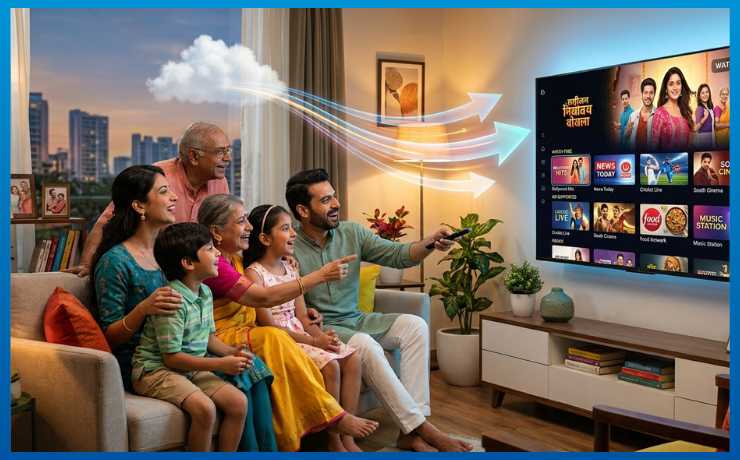
The media industry in India is at an inflection point. Over the last few years, we have witnessed the rise of FAST (Free Ad-supported Streaming Television), also called ALTD (Advanced Linear TV Distribution), platforms. And Telecom Regulatory Authority of India’s decision (TRAI) to put out a draft paper on a regulatory framework for these new platforms could not have come at a more opportune moment.
Connected TV (CTV) adoption in India is rising fast in India. As per industry estimates, the country has an active CTV device base of over 60-70 million (dated 2025), growing 85% YOY. Also, out of this base around 60-70 million CTV households have now formed the foundation of video consumption. But these numbers are just not enough to underline the importance of FAST channels. So, why is FAST the way forward for the industry? Primarily for four reasons:
1. Significantly Greater Consumer Choice and Content Diversity: India’s television ecosystem currently comprises approximately 900 licensed television channels, whereas globally the FAST ecosystem already offers more than 5,000 channels and continues to grow rapidly. The number of FAST channels in India itself is more than doubling every year. This demonstrates the ability of internet-delivered television to support far greater content diversity than traditional distribution models that operate through scarce and limited resources. FAST platforms enable the creation of genre-specific, language-specific, regional, interest-based and community-focused channels that would often be economically unviable on traditional television.
Linear TV channels have a limited universe while consumers are increasingly seeking greater content variety. This is what FAST channels offer. FAST also enables hundreds of additional content destinations spanning movies, comedy, music, infotainment, lifestyle, kids, sports highlights, documentaries, regional content and niche interests. While UGC platforms have expanded content choice, FAST uniquely combines variety with professionally produced, editorially curated, brand-safe and premium entertainment content sourced from broadcasters, studios and reputed content owners.
2. New Revenue Streams for Broadcasters and Content Owners: FAST offers vast monetisation opportunities for extensive content libraries that may otherwise remain underutilised. FAST allows broadcasters and studios to launch multiple thematic channels around existing content assets, increasing inventory and audience engagement without requiring scarce spectrum or traditional distribution capacity. The model also offers a level playing field to regional, archival and niche content categories. These categories might not find adequate space within conventional television ecosystems despite having a market.
FAST platforms can also support genre-specific, language-specific, regional and community-focused, thematic channels that would simply never have found a business case on traditional TV. A 24-hour channel devoted to Bhojpuri comedy, vintage Malayalam cinema, devotional music, regional sports highlights, or hyper-local news has a real shot at existing — and finding its audience — on FAST in a way it never could compete for a satellite slot. Crucially, this is not the chaotic abundance of user-generated content. FAST brings something UGC platforms cannot: professionally produced, editorially curated, brand-safe programming sourced from broadcasters, studios and established content owners, delivered in a familiar, lean-back television format.
3. Accelerating India’s Digital Advertising Economy: India’s advertising market has crossed ₹1 lakh crore, with digital advertising already accounting for approximately 46-49% of total ad spend and continuing to grow faster than traditional media. FAST creates premium, television-quality digital advertising inventory that combines the reach and impact of television with the targeting, measurement and accountability of digital platforms.
This also provides advertisers with an additional high-quality alternative beyond social media and search platforms. A thriving Indian FAST ecosystem can help retain a greater share of digital advertising value within domestic media and technology companies. This is where the FAST opportunity becomes a genuinely strategic one, not just a media-industry one.
4. Television, Without the Price Tag: FAST services make television content available to consumers without requiring expensive pay-TV subscriptions. There is no subscription fee, no bundling, no paywall. Just television content available to anyone with a Connected TV and an internet connection. As Connected TV adoption grows across India, FAST can become an important mechanism for providing free access to quality entertainment and information content to millions of households.
FAST runs on open internet infrastructure rather than scarce broadcast spectrum. This dramatically lowers the barrier to entry for innovation. Startups, technology companies, independent content creators and established broadcasters can all experiment — with channel formats, content discovery, ad-tech, audience measurement — without the heavy infrastructure costs that have traditionally protected incumbents in linear television. A light-touch regulatory approach at this early stage would do more to encourage investment and healthy competition than a heavy one ever could.
As TRAI shapes its regulatory framework, the opportunity in front of it is larger than any one industry segment. Done right, a calibrated, light-touch approach to FAST/ ALTD regulation can simultaneously expand consumer choice, create new revenue for content owners, strengthen India’s domestic digital advertising economy, and ensure the country isn’t a bystander to the next chapter of television. Few policy decisions offer that much alignment between consumer interest, industry growth and national digital strategy in one stroke. FAST channels aren’t just a new way to watch TV — they may well be how India keeps a meaningful stake in the future of its own media economy.
About the Author: Ad Fraud in India’s Programmatic Ecosystem — Scale, Sources & Solutions
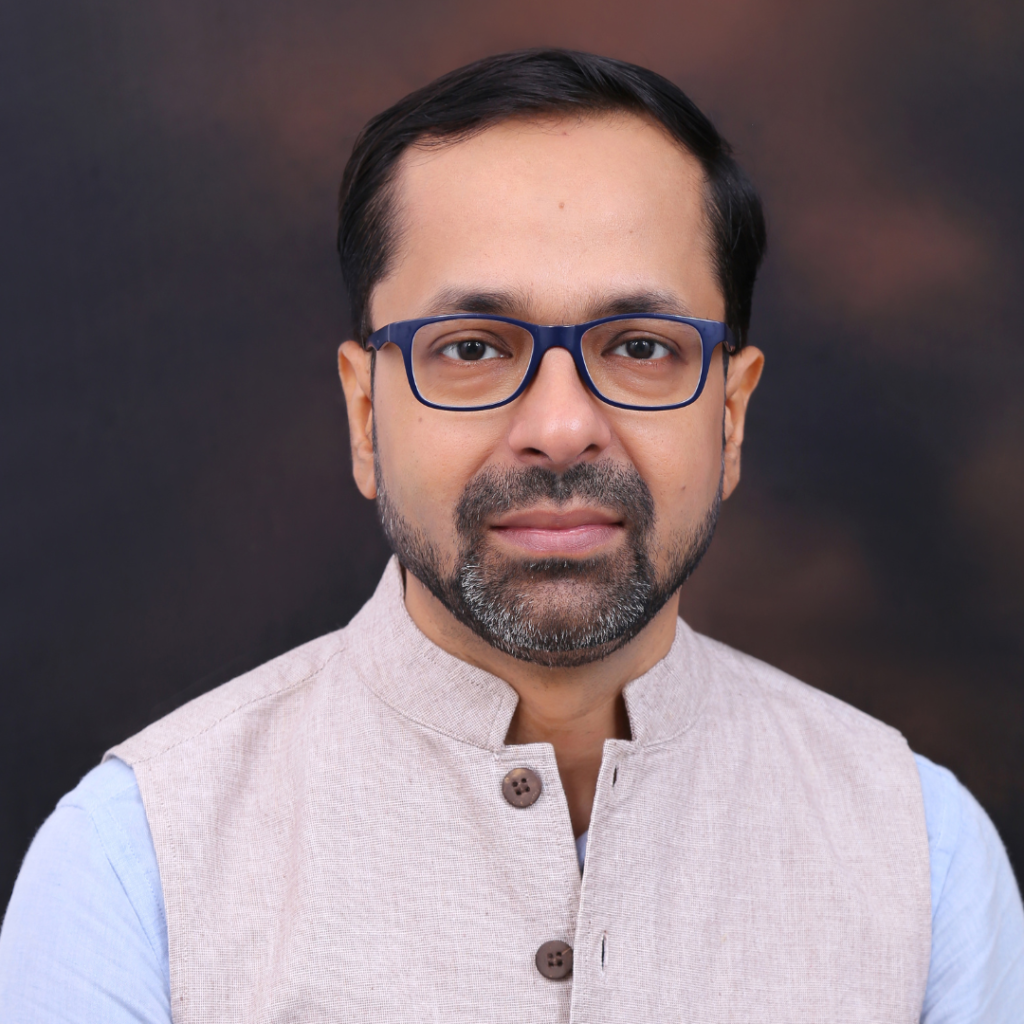
Manish Sinha , Founder and CEO, RunnTV
